Exploring the Best Kids Living Trends of 2026 for Happy Homes
As we venture into 2026, the design landscape for children's spaces continues to evolve, focusing on creating environments that foster creativity, well-being, and happiness. Parents are increasingly aware of the impact that their children's living spaces have on their overall development and emotional health. This blog explores some of the most exciting trends in kids living for 2026, demonstrating how thoughtful design can enhance a child's everyday life.
Nature-Inspired Designs
One of the most prominent trends in 2026 is the integration of nature into children's living spaces. Biophilic design, which seeks to connect occupants more closely to nature, is becoming increasingly popular. This trend includes the use of natural materials such as wood, stone, and organic textiles. Incorporating plants into children's rooms is also gaining traction, with a focus on easy-to-care-for varieties that can thrive indoors. Natural light plays a crucial role too; large windows and skylights are being designed to maximise sunlight exposure, contributing to a cheerful atmosphere.
Multi-Functional Spaces
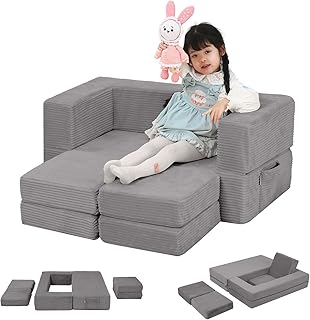
Flexibility is key in modern living, and this is especially true for kids' spaces in 2026. Children require areas that can adapt to their changing needs, whether it be for play, study, or rest. Designers are creating multi-functional furniture that can easily transform. For instance, beds that convert into play areas or desks that fold away into wall units are increasingly common. This trend not only optimises space but also encourages children to engage in various activities without feeling confined to a single purpose.
People Also Look For:
- WOLTU Kids Bookcase Wall Shelf, 3 Tier Children\'s Bookshelf Storage Display Rack, Wooden Book Organizer for Children\'s Room, Whi...
- oruola Teddy Hammock Toy Storage Net,Hammock for Soft Toys,Durable and Stylish Teddy Net Hammocks,Boho Nursery Decor - Perfect for...
- TEKFUN 2 Pack LCD Writing Tablet 10inch Erasable Colorful Drawing Tablet Writing Drawing Board with Lanyard, Travel Educational To...
- Toys for 1 Year Old Girls: Montessori Educational Toys for 1 Year Old, 6 in 1 Multi-Functional Activity House Baby Toy with Music/...
- Baby Handprint Footprint Makers Kit Keepsake Photo Framed Pictures for Newborn Boys & Girls, Baby Gifts, Personalized Baby Milesto...
Interactive and Educational Elements
In 2026, there is a strong emphasis on creating interactive environments that stimulate learning and exploration. Walls that double as chalkboards or magnetic surfaces allow for creative expression and learning through play. Incorporating technology into these spaces is also a significant trend; interactive screens and educational games can be seamlessly integrated into the decor. This approach encourages children to learn while having fun, making their living spaces not just a place for rest but also a hub for growth and discovery.
Personalisation and Customisation
Children thrive in environments that reflect their individuality. The trend towards personalisation in kids' spaces is set to flourish in 2026. Parents are opting for modular furniture that can be easily customised to suit their child's preferences. From colour schemes to themes, children's rooms are becoming canvases for their imagination. Wall decals, removable wallpapers, and personalised bedding allow for easy updates as a child's tastes change. This customisation empowers children to take ownership of their space, fostering a sense of responsibility and pride.
Sustainable Practices
With an increasing focus on sustainability, eco-friendly practices are shaping the design of kids' spaces in 2026. Parents are seeking out sustainable materials that are safe for their children and have a minimal environmental impact. Furniture made from recycled materials and non-toxic paints are becoming standard choices. Moreover, energy-efficient lighting and appliances are being prioritised, creating spaces that are not only healthier for children but also contribute positively to the planet's future. This trend instils eco-conscious values in children from a young age, encouraging them to be mindful of their impact on the environment.
Emphasis on Well-Being
The well-being of children is at the forefront of design considerations in 2026. Spaces are being designed to promote mental and emotional health, incorporating elements such as calming colours and soft textures. Areas for mindfulness activities such as reading nooks or meditation corners are becoming increasingly common. Furthermore, soundproofing techniques are being utilised to create serene environments that minimise distractions. This focus on well-being ensures that children's spaces are not just functional but also nurturing, supporting a holistic approach to their development.